Loading...
-30%
Herbs
Mako Pathar
Rs. 210Rs. 299-30%
In StockSKU: MAK-200
1
Product Details
- Local Names
- مکو پتھر
- English Names
- Pakistani Natural Crystal Stone, Mako Stone, Decorative Stone, مکو پتھر
- Botanical Name
- Solanum surattense
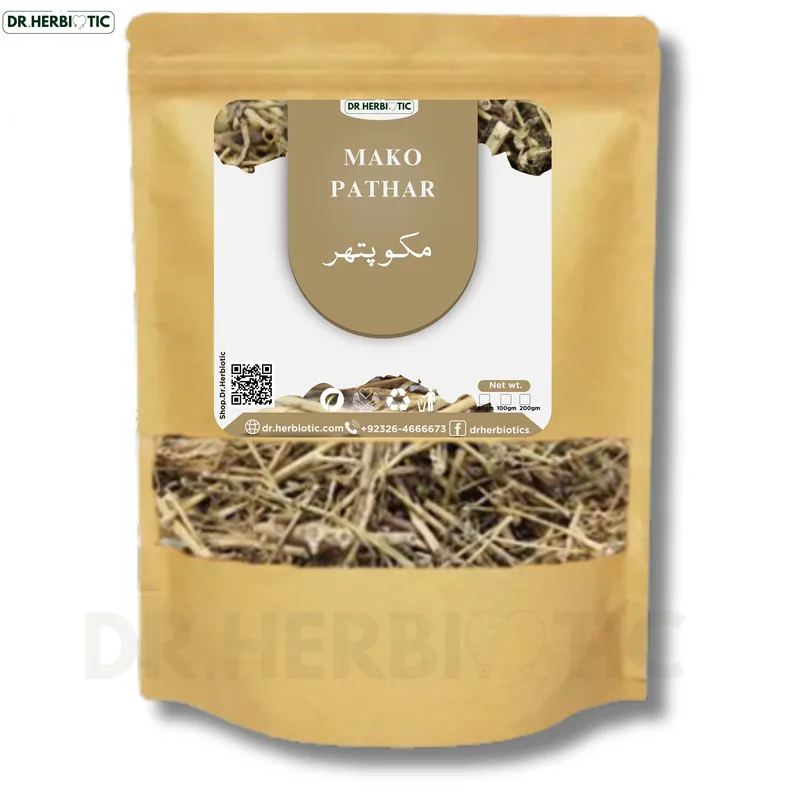
Mako pathar is the dried plant material of the makoh, Solanum surattense, and it is the plant of the stone that the trade also sells under the same name. The makoh is a low, spreading plant of the dry waste ground, and the whole of the above-ground part is gathered in the season after the fruit, and it is dried whole, in the sun, until the stems are hard and pale.
What arrives is a dull straw to a pale olive brown, and the quality shows in the look and in the weight. Good mako pathar is in clean, hard pieces of stem and leaf, and it is dry and light in the hand, and the smell is a light, dry, slightly bitter and grassy note, and the older the material the more the colour has gone towards the straw. The old buyers judged the lot by the pieces and by how much of the woody stem is in it.
In the traditional practice it appears among the aromatic materials, and it is one of the herbs that the old household used in the decoctions and in the ground mixtures, and the old kitchen kept a small stock of it because the taste of the plant is bitter and a small quantity goes a long way.
In the household it is also the plant of the old waste ground, and the old herb gatherers knew the makoh by the way it spread along the edges of the fields and the waste heaps, and the plant that the trade sells as mako is the same plant whose fruit is calcined into the stone of the name.
There is a good deal of interest in the plant itself, and it is worth knowing that the makoh is one of the most stubborn of the plants of the dry country, that it fruits through the heat and the poor soil, that the stone of the trade is made from the calcined fruit of this plant, and that the old gatherers took the plant after the fruit and never from the root, because the root was left in the ground.
Dr Herbiotic sells the mako pathar in 50 g, 100 g and 200 g packs. Keep the pack sealed in a cool dry place, and take out only what the preparation in front of you needs.
The material is packed as it comes, in the grade and the cut that the trade normally carries, and it is kept in the sort of sealed jar that holds its colour, its aroma and its character steady for the whole time it is in the house. A small amount goes a long way, so it is worth keeping the jar closed and taking out only what the preparation in front of you actually needs.
Reviews
No reviews yet — be the first!
You May Also Like
Herbs
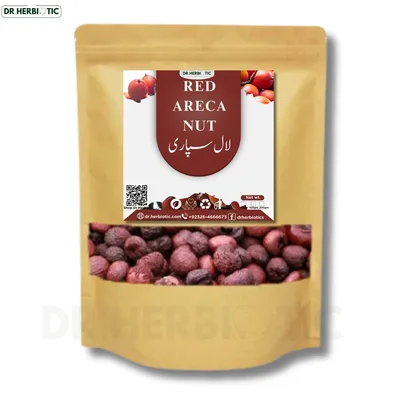
Red arica | Red Betal Nuts (Chikni Supari) | سپاری تیلیا | Harmal | Hermal
Rs. 390Rs. 599
Herbs
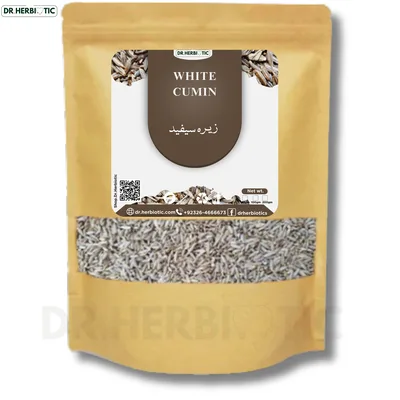
Cumin White
Rs. 270Rs. 350
Herbs
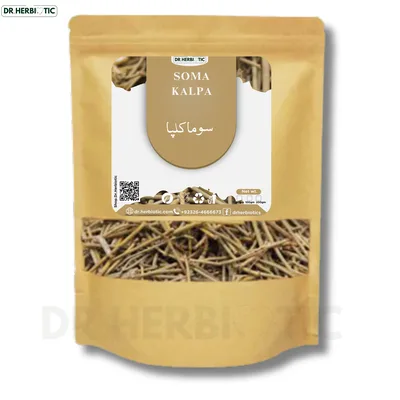
Ephedraceae - Kalpa Joint Pine
Rs. 320Rs. 400
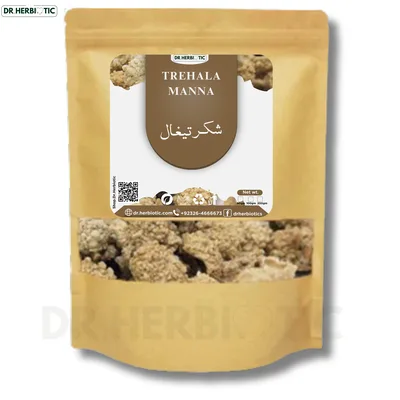
Herbs
Trehala Manna
Rs. 795Rs. 950
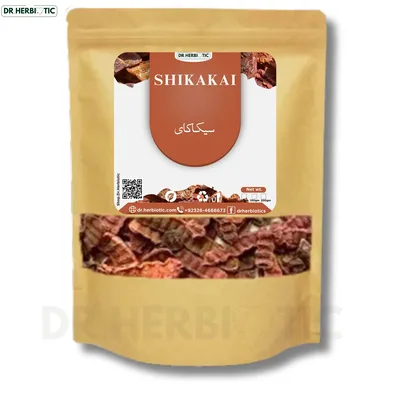
Herbs
Shikakai - Sikakai
Rs. 220Rs. 350
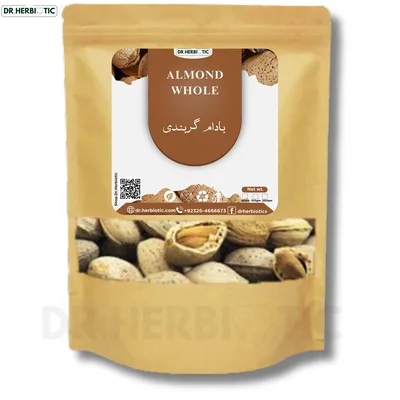
Herbs
Almonds Whole | Badam Gurbandi | Gurbandi Almonds | Whole Badam
Rs. 1,050Rs. 1,150