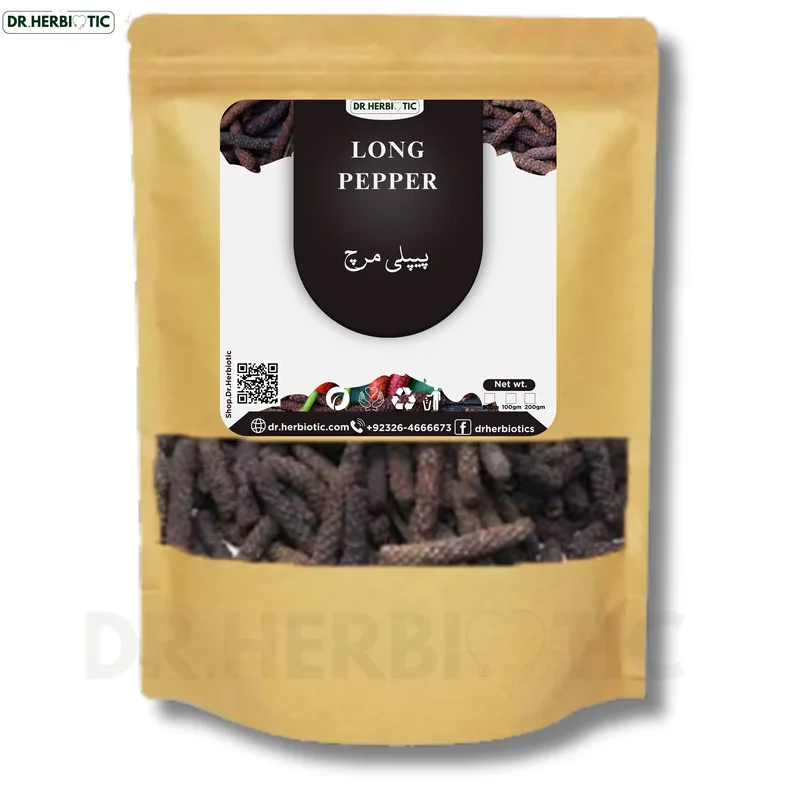
Loading...
-29%
Herbs
Long Pepper Root
Rs. 250Rs. 350-29%
In StockSKU: LON-118
1
Product Details
- Local Names
- پپلا مول
- English Names
- Piplamol, Pippali Mool, Long Pepper Root Herb, پپلا مول
- Botanical Name
- Piper longum
Long pepper root, or pippali mool, is the dried root of Piper longum, and it is the quieter and the earthier half of the long pepper. The plant is the same climbing piper that gives the fruit spike, and the root is taken when the plant is dug up for the fruit, and it is washed, cut into lengths and dried until it is hard and pale inside.
What arrives is a dull grey brown to a pale tan, and the quality shows in the look and in the smell. Good pippali mool is in even, clean lengths, hard rather than fibrous and brittle, and the inside of the root is a pale straw colour, and the smell is a warm, woody, earthy note with the resinous edge of the pepper in it, and it is a great deal quieter than the fruit.
In the traditional practice it appears among the aromatic materials, and it is one of the roots that the old household used in the decoctions and in the ground mixtures, and the old kitchen kept a small stock of it, because the taste of the root is a warm earthiness rather than a heat, and it goes into a pot where the heat of the fruit would be too much.
In the household it is also one of the materials of the old remedy tradition, and the old herbalists listed it beside the root of the long pepper and the root of the black pepper, and the three were used in different ways and never together in the old kitchen.
There is a good deal of interest in the plant itself, and it is worth knowing that the piper is a climber that takes the whole of the tree of the forest to itself, that the same root gives the long pepper and the black pepper, that the root of the old plant is what the old growers kept for their own use, and that the spice trade took the fruit while the root stayed at home.
Dr Herbiotic sells the long pepper root in 50 g, 100 g and 200 g packs. Keep the pack sealed in a cool dry place, and take out only what the preparation in front of you needs.
The material is packed as it comes, in the grade and the cut that the trade normally carries, and it is kept in the sort of sealed jar that holds its colour, its aroma and its character steady for the whole time it is in the house. A small amount goes a long way, so it is worth keeping the jar closed and taking out only what the preparation in front of you actually needs.
Reviews
No reviews yet — be the first!
You May Also Like
Herbs
Red arica | Red Betal Nuts (Chikni Supari) | سپاری تیلیا | Harmal | Hermal
Rs. 390Rs. 599
Herbs
Cumin White
Rs. 270Rs. 350
Herbs
Ephedraceae - Kalpa Joint Pine
Rs. 320Rs. 400
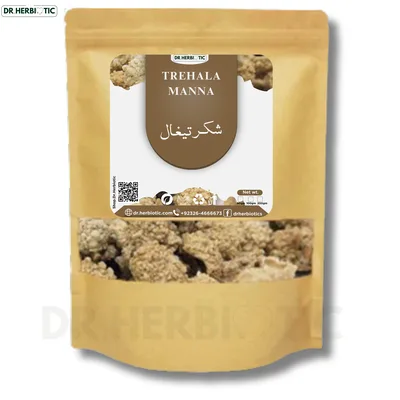
Herbs
Trehala Manna
Rs. 795Rs. 950
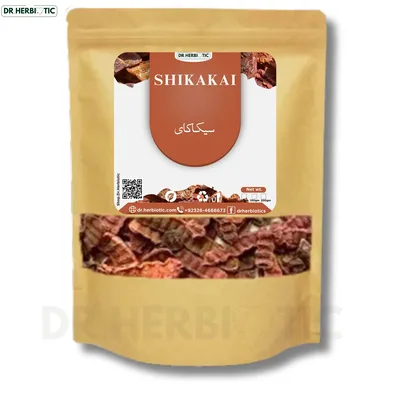
Herbs
Shikakai - Sikakai
Rs. 220Rs. 350
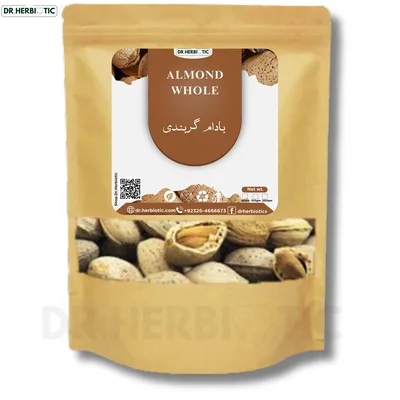
Herbs
Almonds Whole | Badam Gurbandi | Gurbandi Almonds | Whole Badam
Rs. 1,050Rs. 1,150