Loading...
-27%
Herbs
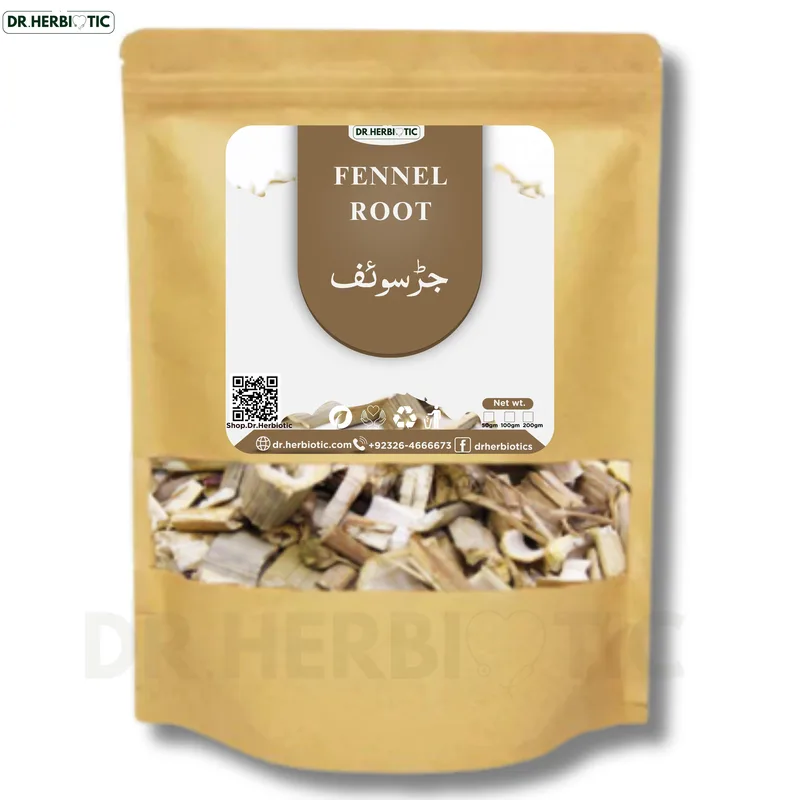
Fennel Root
Rs. 220Rs. 300-27%
In StockSKU: FEN-095
1
Product Details
- Local Names
- جڑ سونف
- English Names
- Jar Soanf, Jarr Sonf جڑ سونف
Fennel root is the dried root of the fennel plant, and it is one of the most useful materials of the old trade. The plant is the tall, feathery fennel of the fields, and the root is the thick, pale root that is dug, dried and cut, and the part that is sold is the dried root, which carries a warm, anise like smell that is the first thing people notice when the jar is opened. It is one of those materials that every household keeps.
The root is the part that is used, and it is used in two very different ways. In the kitchen it goes into the spice blend, the pickle, the bread and the sweet, and a small handful of cut root changes the whole character of a dish. In the old household remedy it is the root that is chewed after a meal, and the root that goes into the warm water of the morning, because the old households held it to be the root that settled the stomach and freshened the breath.
The taste is warm, anise like and slightly sweet, and it becomes much more pleasant when it is toasted in a little ghee, which is what the old cooks did before adding it to a dish. The raw root is strong and a little harsh, and the toasted root is round and gentle, and the difference is the difference between a material that bites and a material that comforts.
There is a useful quality in the root that people often forget, and it is that it keeps its smell for a long time. Fennel root is one of the materials that does not lose its character quickly, which is why a well kept jar in the kitchen is a permanent item and why the old shopkeepers could sell it by the kilo without much worry.
In the traditional practice fennel root appears in the classical combinations, and it is one of the materials that carries a warm, anise note, and it is also one of those materials that appears in the household remedy tradition as well as the kitchen, which is why it is such a familiar item in the shop that carries both.
In the kitchen there are three things worth doing properly. The first is to toast the root in a little ghee before adding it to the dish, which takes a minute and changes the whole flavour. The second is to use it in small amounts, because the anise note is strong and a little goes a long way. The third is to keep the root in a sealed jar, because the smell is what fades first and it is what makes the material worth having.
Dr Herbiotic sells the clean root, sorted and free of the dust, in three sizes. Keep it sealed in a dry jar in a cool cupboard, away from the light and away from the stove, and it will keep for a long time.
Reviews
No reviews yet — be the first!
You May Also Like
Herbs
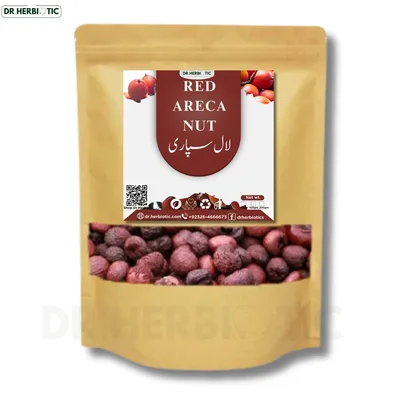
Red arica | Red Betal Nuts (Chikni Supari) | سپاری تیلیا | Harmal | Hermal
Rs. 390Rs. 599
Herbs
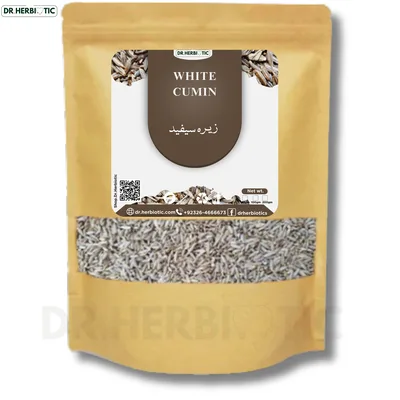
Cumin White
Rs. 270Rs. 350
Herbs
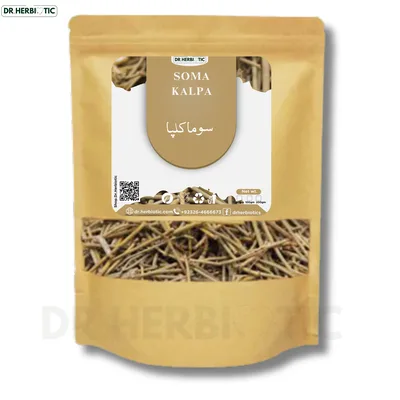
Ephedraceae - Kalpa Joint Pine
Rs. 320Rs. 400
Herbs
Trehala Manna
Rs. 795Rs. 950
Herbs
Shikakai - Sikakai
Rs. 220Rs. 350
Herbs
Almonds Whole | Badam Gurbandi | Gurbandi Almonds | Whole Badam
Rs. 1,050Rs. 1,150