Loading...
-20%
Herbs
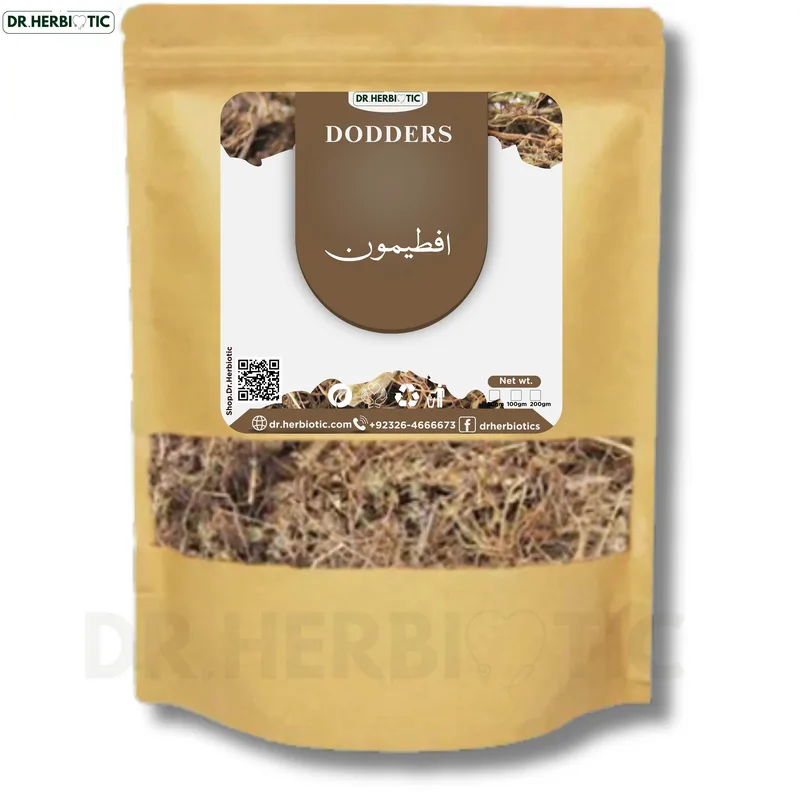
Dodders Cuscuta Aftemoon Plant
Rs. 320Rs. 400-20%
In StockSKU: DOD-166
1
Product Details
- Local Names
- افطیمون
- Botanical Name
- Cuscuta reflexa
Aftimoon, the dodder of the classical texts, is the whole parasitic plant of Cuscuta reflexa, the yellow thread like climber that wraps itself over other plants and draws its nourishment from them. In the fields and orchards of the subcontinent it appears as a mass of thin orange and yellow threads over a shrub, and it has been noticed and gathered by people for a very long time, because a plant that grows on other plants and yet carries its own seed is the sort of thing that invites attention.
The material is the entire plant, stem and all, gathered when it is in flower and dried. A good sample is a tangle of fine, curly, thread like stems, orange to yellow brown in colour, with the small white flowers still visible, and it has a light, slightly sweet and slightly smoky smell. The seed is tiny and black, and the old gatherers had to shake the dried threads to collect them, which is why the seed is sometimes found mixed into the material.
In the traditional practice aftimoon is classed among the cooling and the strengthening herbs, and it appears in the classical combinations. It is also one of those materials that the household keeps in a labelled jar and asks for by its local name, because a family that uses it knows exactly which plant they mean.
Dr Herbiotic sells the dried plant, cleaned of the host plant and the dust, in three sizes. The best material is the clean, bright, fine thread and not the coarse and dusty kind that comes up with the host plant attached, because the host leaves and stems are not part of the herb and they carry none of its character.
Keep it sealed in a dry jar, in a cool cupboard away from the light and away from moisture. The thread is delicate and it crumbles easily, so handle the packet gently and break off only what you need, since the fine stem loses its strength quickly once it is crushed and exposed.
The life of this plant is unusual enough to be worth explaining, because it is a parasitic climber and it has no chlorophyll of its own to speak of. It puts out a thin thread that finds a host plant, wraps around it, and then draws its nourishment through special structures that reach into the tissue of the other plant, which is why the threads coil so tightly and why the host can be seen through them. In the old pharmacopoeia the whole plant was gathered with the seed, and the seed was shaken out of the dried threads by the gatherers, who then sold the seed separately. Dr Herbiotic sells the cleaned plant, with the host and the dust taken out, and it is worth saying that the fine threads are what you want, because the coarse and dusty material is simply the host plant that came up with it.
Reviews
No reviews yet — be the first!
You May Also Like
Herbs
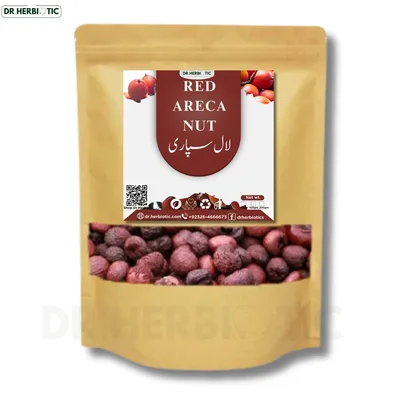
Red arica | Red Betal Nuts (Chikni Supari) | سپاری تیلیا | Harmal | Hermal
Rs. 390Rs. 599
Herbs
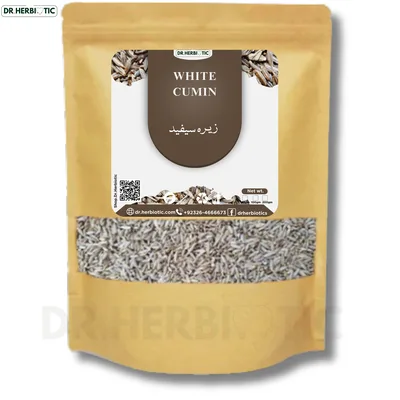
Cumin White
Rs. 270Rs. 350
Herbs
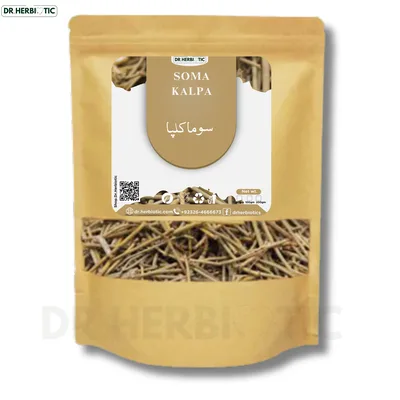
Ephedraceae - Kalpa Joint Pine
Rs. 320Rs. 400
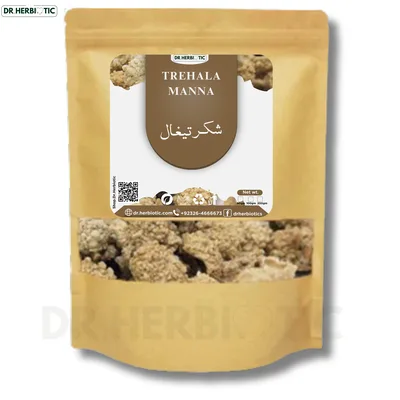
Herbs
Trehala Manna
Rs. 795Rs. 950
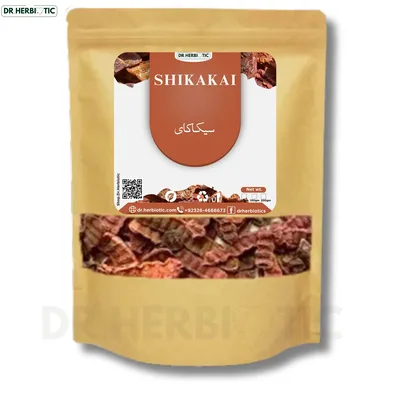
Herbs
Shikakai - Sikakai
Rs. 220Rs. 350
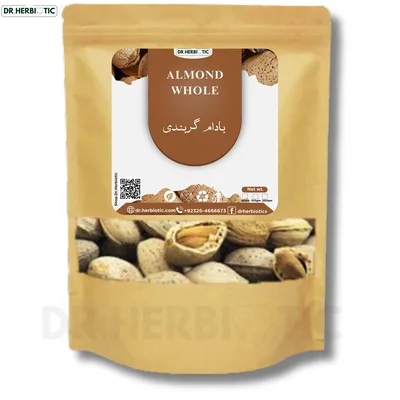
Herbs
Almonds Whole | Badam Gurbandi | Gurbandi Almonds | Whole Badam
Rs. 1,050Rs. 1,150