Loading...
-23%
Herbs
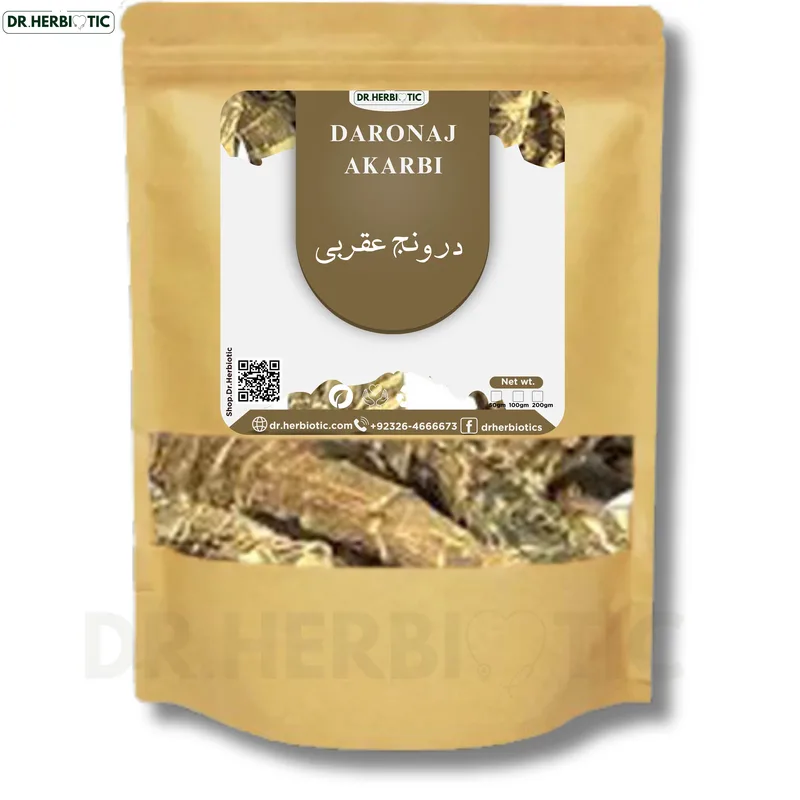
Daronaj Akarbi
Rs. 270Rs. 350-23%
In StockSKU: DAR-161
1
Product Details
- Local Names
- درونج عقربی
- English Names
- Doronicum Hookeri - Clarke - Daronaj Akarbi
Daronaj akarbi, the scorpion weed of the old herbal shops, is Doronicum, and more specifically the dried root and rhizome of the doronicum group, a plant of the alpine meadows of Europe that has been carried into the Eastern trade for a very long time. The plant is a simple enough perennial with a tuft of leaves and a single yellow daisy like flower on a stem, and the root below is a dark, knobbly rhizome that smells strongly and distinctly of almonds when it is broken.
That almond scent is the thing the old buyers remembered about it. In the bazaars the material was valued for the smell, and a good piece of daronaj akarbi gives off a warm, nutty aroma that is quite unlike the rest of the root trade. The roots are dug in the autumn after the plant has gone dormant, and they are dried carefully because the aroma is the main quality and it is the first thing to go.
In the traditional practice it appears in the classical combinations of the warming and aromatic roots, and it is one of those materials that a household keeps in a labelled jar, and that the families who use it ask for by the name they know. The word akarbi in the name refers to the scorpion, which is an old reference to the shape of the dried rhizome and to the way it was carried in the trade.
Dr Herbiotic sells the dried root, cut and cleaned with the soil and the loose fibres taken out, in three sizes. The root should be dark brown outside and pale inside, hard, and it should still smell of almonds when the packet is opened.
Keep it sealed in a cool dry cupboard, away from the light and away from moisture, because the volatile oil that carries the scent fades quickly in open air. Break what you need at the time of use rather than grinding the whole packet, because the aroma of the ground root goes faster still.
The old name for this root in the European trade refers to the smell, and knowing that makes the material easier to judge. It was called the mouse root, because the scent of a broken piece is said to be like a mouse, and the traders who handled it knew exactly what they were smelling and could tell a good lot from a poor one in a moment. The Eastern trade took the root and the name with it, and the word akarbi in daronaj akarbi is part of that old vocabulary. Dr Herbiotic sorts the material for the almond scent and for the darkness of the outside, because those two things together are what separate a good lot from a cheap one. It is a root for the traditional combinations and for the old aromatic preparations, and it rewards the same care that any good material does: sealed, cool, dark, and used in the quantities the preparation calls for.
Reviews
No reviews yet — be the first!
You May Also Like
Herbs
Red arica | Red Betal Nuts (Chikni Supari) | سپاری تیلیا | Harmal | Hermal
Rs. 390Rs. 599
Herbs
Cumin White
Rs. 270Rs. 350
Herbs
Ephedraceae - Kalpa Joint Pine
Rs. 320Rs. 400
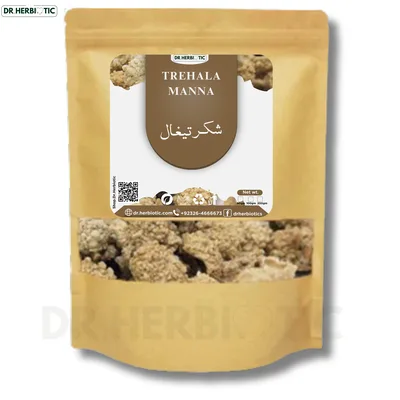
Herbs
Trehala Manna
Rs. 795Rs. 950
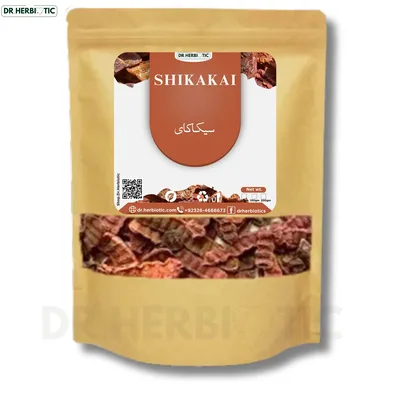
Herbs
Shikakai - Sikakai
Rs. 220Rs. 350
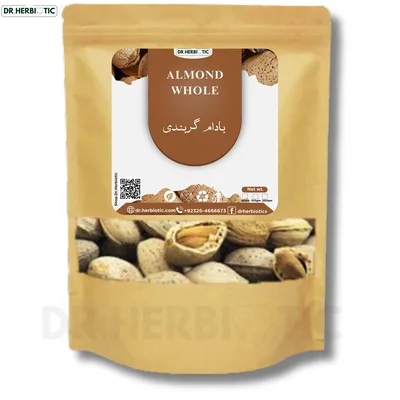
Herbs
Almonds Whole | Badam Gurbandi | Gurbandi Almonds | Whole Badam
Rs. 1,050Rs. 1,150