Loading...
-22%
Herbs
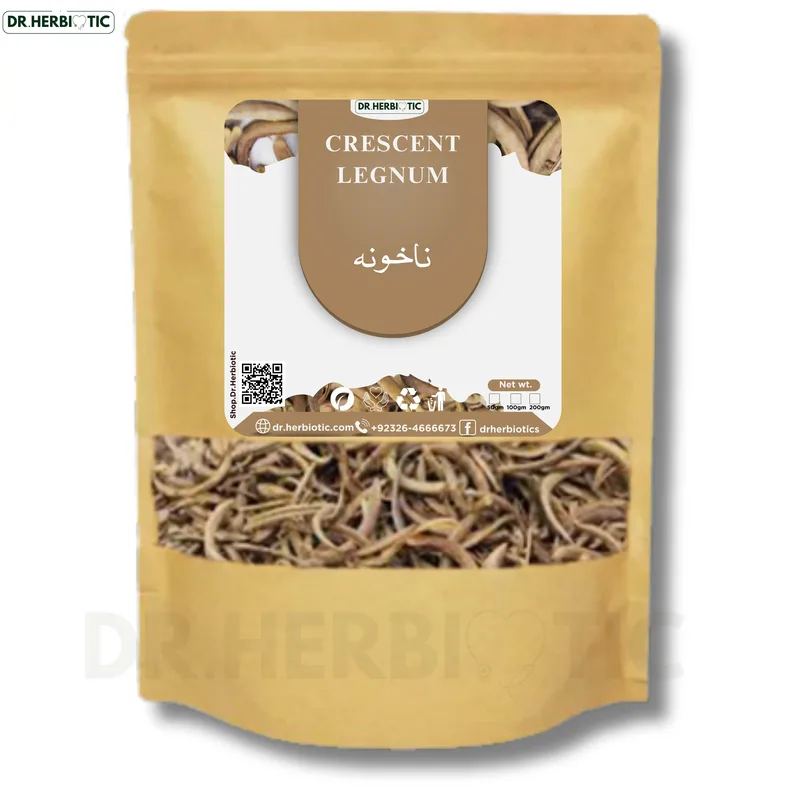
Crescent Legnum
Rs. 350Rs. 450-22%
In StockSKU: CRE-163
1
Product Details
- Local Names
- ناخونہ
- English Names
- Nakhuna, Nakhuna Herb, Nakhuna Lakri, ناخونہ
Nakhuna, the crescent legnum, is Trigonella uncata, and it is one of the better known roots of the old herbal shops, and one of those materials whose name most people recognise long before they know the plant. The name comes from the shape of the seed, which is crescent like, and the seeds are the part that is usually traded, though the root goes with them.
The seed is small, hard and pale tan, with a distinctive shape that is hard to confuse with anything else, and it has a pleasant, slightly nutty smell. The root is a slender, pale, fibrous root that is dug with the seed and dried with it, and the two together make up what is sold. Good material is clean, the seeds are a bright cream colour, and nothing is discoloured or musty.
In the traditional practice nakhuna is classed among the warming and the strengthening materials, and it appears in the classical combinations, usually with the other seeds and roots that carry a similar character. It is also one of the familiar household materials, and it is one of those things that a family has in the kitchen drawer and uses by the spoonful.
There is a nice piece of the plant's story that explains why the material is valued. Fenugreek and its relatives are the plants of the legume family, and they fix nitrogen in the soil, which is why the farmers who grew them kept them in the rotation. The seed that a kitchen uses and the seed that a field fixes the ground with are the same seed, and the old herb trade simply took the surplus.
Dr Herbiotic sells the dried seed with the root, cleaned of the dust and the loose fibre, in three sizes. Keep it sealed in a dry jar in a cool cupboard, away from the light and away from damp, because the seed is oily and the root is fibrous and both pick up any damp. Grind what you need at the time of use rather than storing it as a powder.
The material is packed as it comes, and it is kept in the sort of jar that keeps it in condition.
The material is packed as it comes, in the grade and the cut that the trade normally carries, and it is kept in the sort of sealed jar that holds its colour, its aroma and its character steady for the whole time it is in the house. A small amount goes a long way, so it is worth keeping the jar closed and taking out only what the preparation in front of you actually needs.
Reviews
No reviews yet — be the first!
You May Also Like
Herbs
Red arica | Red Betal Nuts (Chikni Supari) | سپاری تیلیا | Harmal | Hermal
Rs. 390Rs. 599
Herbs
Cumin White
Rs. 270Rs. 350
Herbs
Ephedraceae - Kalpa Joint Pine
Rs. 320Rs. 400
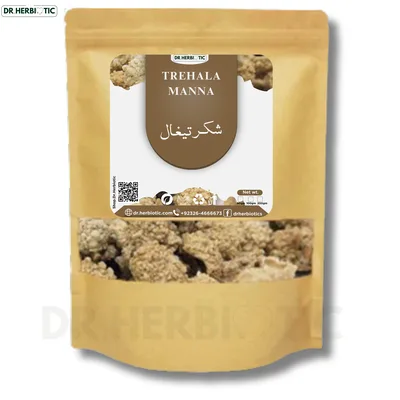
Herbs
Trehala Manna
Rs. 795Rs. 950
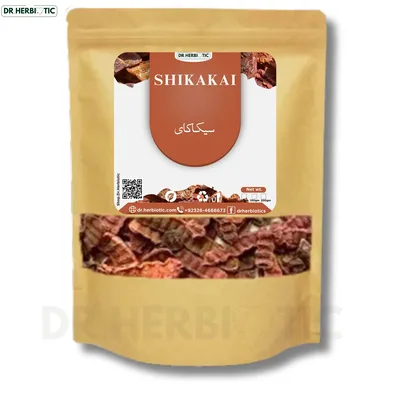
Herbs
Shikakai - Sikakai
Rs. 220Rs. 350
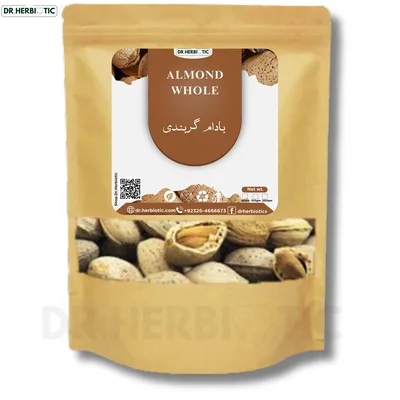
Herbs
Almonds Whole | Badam Gurbandi | Gurbandi Almonds | Whole Badam
Rs. 1,050Rs. 1,150