Loading...
-20%
Herbs
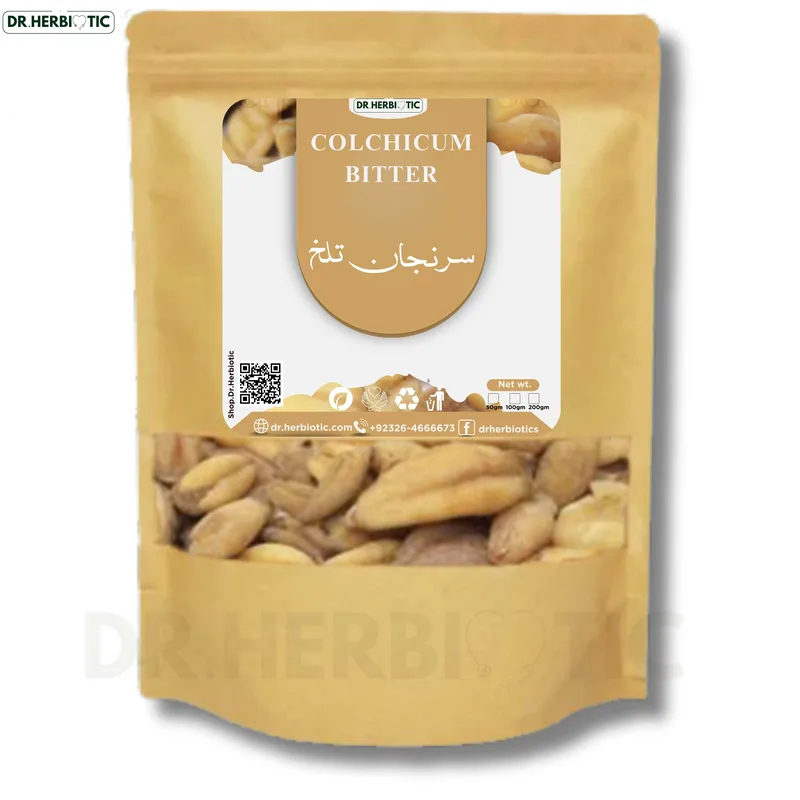
Colchicum Bitter
Rs. 320Rs. 400-20%
In StockSKU: COL-148
1
Product Details
- Local Names
- سرنجان تلخ
- English Names
- Colchicum Bitter - Surinjan Talkh - Colchicum Speciosum
Surinjan talkh, the bitter colchicum, is Colchicum speciosum, the meadow saffron, and it is one of the most beautiful and most carefully handled roots of the old herbal trade. The plant is a low crocus like herb that appears in the autumn meadows with large, pale lilac flowers, and it is the corm, the swollen underground stem, that is dug and used.
The corm arrives as a rounded, solid, brown skinned body that splits into segments when it is cut, and inside it is a pale, firm flesh with a very characteristic smell: bitter, strong and rather medicinal. Good quality is judged by the weight, because a light, hollow corm has been kept too long or has lost too much of its substance, and by the smell, which should be sharp and unmistakable rather than faint.
This is one of the classical roots where the handling has to be careful, and the reason is well known in the old trade. The material is powerful and it is one of the roots that the classical texts treat with respect, and the practitioners who worked with it were the ones who knew the dose. That is why it appears in the classical combinations rather than on its own, and why it is always described as a root to be used with a qualified practitioner.
There is a beautiful piece of history attached to the plant, and it explains its name. Colchicum autumnale, the same genus from the European meadows, is the plant that gave the name to colchicine, and it is the autumn crocus that the old physicians used for the gout, which is why the Persian name surinjan and the word colchicum have been tied together for so long. The meadow saffron of the Himalayan valleys and the crocus of the European autumn are close relatives, and both have a place in the old story of the root.
Dr Herbiotic sells the dried corm, cut and cleaned, in three sizes. Keep it sealed in a dry jar, in a cool cupboard and away from the light, and label it clearly, because a material of this strength should never be confused with an ordinary root. Break off only what a prepared formulation needs.
The final word is a word of caution, and it is repeated here because it is the sort of thing that needs saying twice: this root is not a household herb, it is a practitioner material, and it should not be handled by anyone who has not been shown how to use it.
Reviews
No reviews yet — be the first!
You May Also Like
Herbs
Red arica | Red Betal Nuts (Chikni Supari) | سپاری تیلیا | Harmal | Hermal
Rs. 390Rs. 599
Herbs
Cumin White
Rs. 270Rs. 350
Herbs
Ephedraceae - Kalpa Joint Pine
Rs. 320Rs. 400
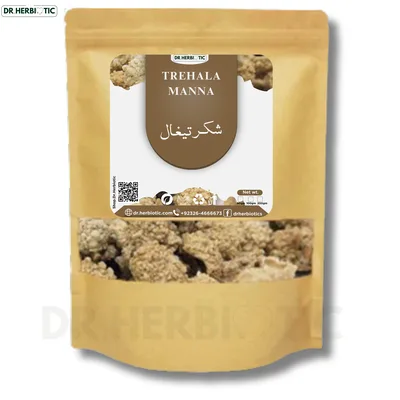
Herbs
Trehala Manna
Rs. 795Rs. 950
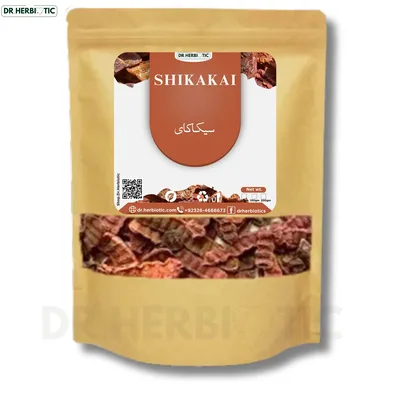
Herbs
Shikakai - Sikakai
Rs. 220Rs. 350
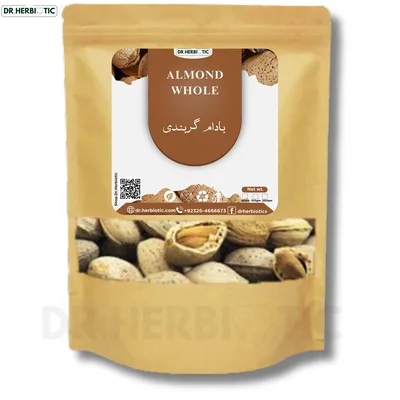
Herbs
Almonds Whole | Badam Gurbandi | Gurbandi Almonds | Whole Badam
Rs. 1,050Rs. 1,150