Loading...
-18%
Herbs
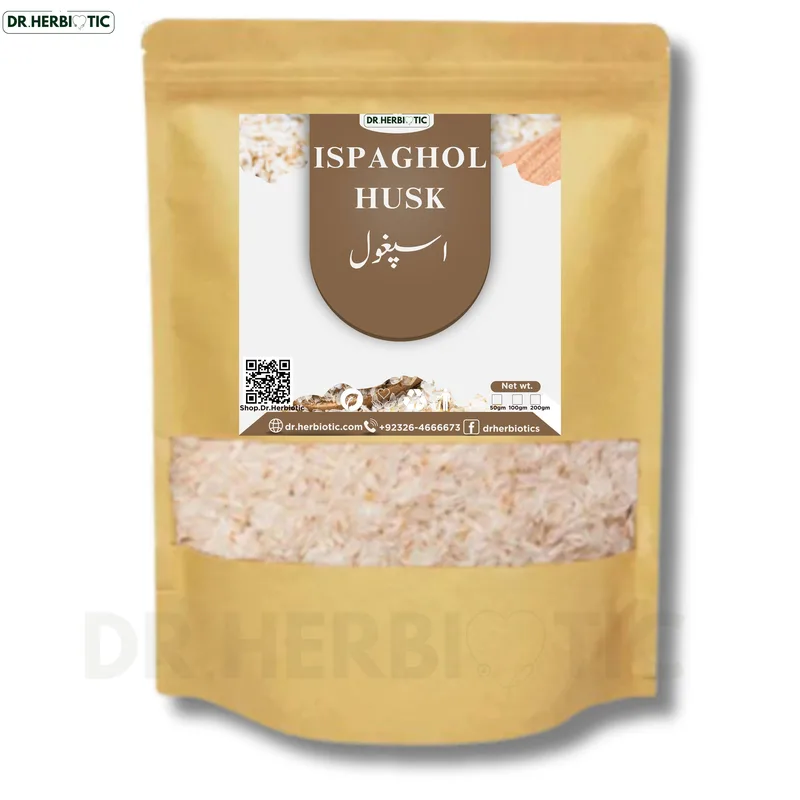
Chilka Ispaghol
Rs. 450Rs. 550-18%
In StockSKU: CHI-044
1
Product Details
- Local Names
- اسپغول کا چھلکا
- English Names
- Psyllium Husk
- Botanical Name
- Plantago ovata
Chilka ispaghol, the fine seed of the plantago, is the husk of Plantago ovata, a small perennial of the temperate grasslands that is now grown in Punjab and in the fields of Europe and Australia for the seed. The plant is a low rosette of ribbed leaves, and when it goes to seed it throws up a great many slender spikes, each carrying a tiny brown seed with a papery hull around it.
That hull is the material. It is light, blond and slightly transparent, and it swells into a soft gel when it meets water, which is the whole character of the plant and the reason it has been used for centuries in the traditional practice. The husk is gathered with the seed and separated from it, and it is sold as the clean, fine, pale flakes that everyone recognises. Quality shows in the fineness and the colour: good chilka is fine, even and pale, while a coarse or dull sample has been gathered or stored badly.
In the household tradition ispaghol is one of the most familiar materials of all, and it has a double life. In the kitchen it is the thickener that gives the halwa, the kheer and the fruit drink their body, a spoonful stirred into the milk and left to stand for a few minutes. In the herbal drawer it is one of the gentle, cooling herbs that appears in the classical combinations and in the everyday remedies, and it is one of the ingredients that is almost always already in the house.
Dr Herbiotic sells the cleaned husk, sorted so that the husk and the husks are free of the husk-bound seed and the dust. Keep it sealed in a dry jar, because the husk is hygroscopic and it takes up moisture, which makes it clump and turns it from a light flake into a dull mass.
A note on the name, because people ask. Ispaghol is the seed of the plant, and chilka is the husk around it, so a packet marked chilka is the husk material, which is what is used both in the kitchen and in the traditional combinations. And because it swells, a small amount is enough: a spoonful in a pot of kheer does the work of much more than a spoonful of starch.
One thing is worth knowing about ispaghol that is not obvious from the packet, and that is how the material behaves in the kitchen. It does not thicken the way starch thickens. Starch makes a dish cloudy and slightly heavy, while the husk makes it clear and light, which is why the old recipes that used it were always the ones that looked elegant. For a dessert like a sheer khurma or a fruit cream, that clarity is the whole point, and it is the reason the kitchen tradition and the herbal tradition ended up using the same jar for the same herb. Dr Herbiotic sells the cleaned husk, and the quality shows in the weight: good husk is light and airy for the size of the packet, while a heavy packet usually means the dust and the fragments have not been taken out. Keep the jar closed, use a dry spoon, and it will behave the way it should in every preparation.
Reviews
No reviews yet — be the first!
You May Also Like
Herbs
Red arica | Red Betal Nuts (Chikni Supari) | سپاری تیلیا | Harmal | Hermal
Rs. 390Rs. 599
Herbs
Cumin White
Rs. 270Rs. 350
Herbs
Ephedraceae - Kalpa Joint Pine
Rs. 320Rs. 400
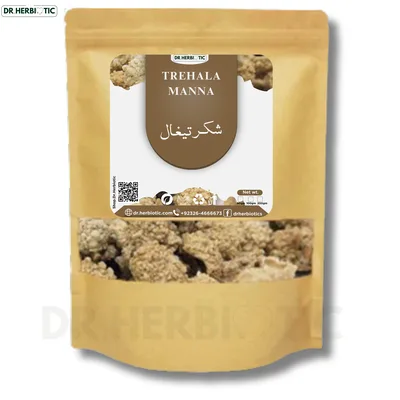
Herbs
Trehala Manna
Rs. 795Rs. 950
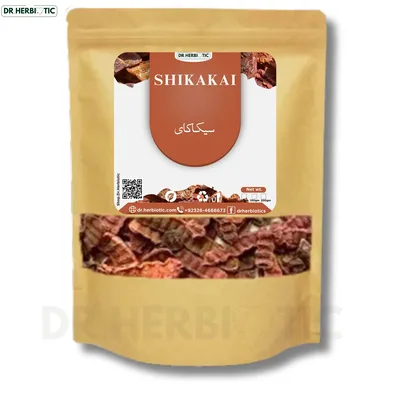
Herbs
Shikakai - Sikakai
Rs. 220Rs. 350
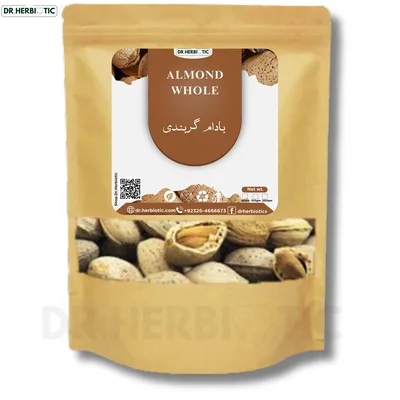
Herbs
Almonds Whole | Badam Gurbandi | Gurbandi Almonds | Whole Badam
Rs. 1,050Rs. 1,150