Loading...
-23%
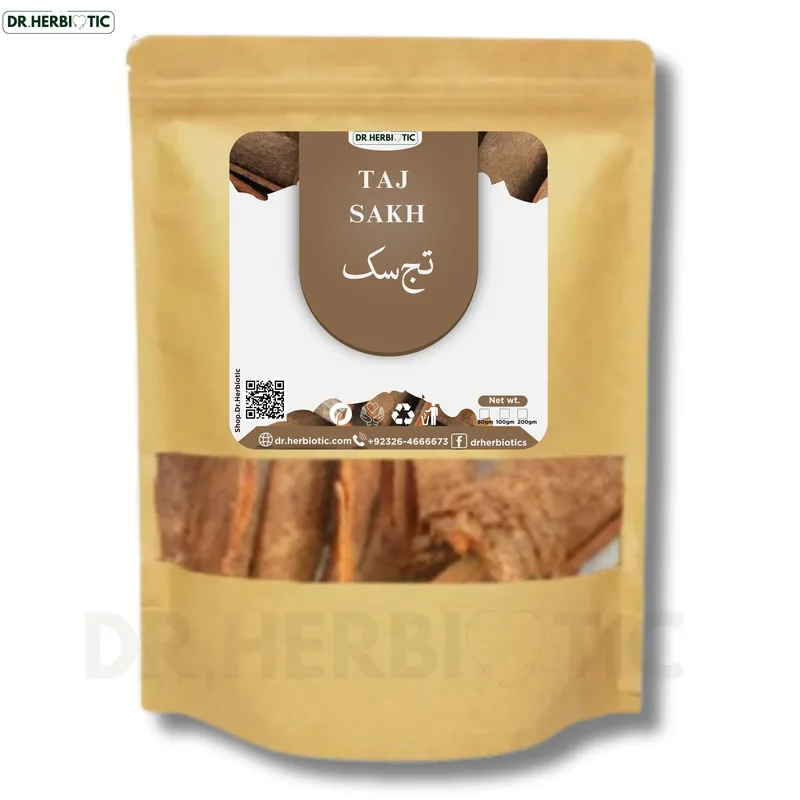
Taj, the cinnamon bark of the old trade, is the rolled inner bark of Cinnamomum cassia, the Chinese cinnamon, and it is the darker and more powerful of the two common barks. The tree is a small evergreen with glossy leaves and red new growth, and when the trunk is harvested the bark is peeled and rolled into quills that are pressed together into a bundle, which is how you will find it in the packet.
The difference between the two barks matters, and it is worth knowing. Ceylon cinnamon, or true cinnamon, is pale, thin, papery and delicately sweet. Taj is darker, thicker, more brittle, with a strong, sweet, slightly hot and deeply woody flavour that carries much further. It is the bark of the masala and of the milk, and it is the one that a household buys for the winter, for the pot of chai and for the rice.
In the kitchens of the subcontinent, taj is a cornerstone. It goes into the garam masala and the biryani masala, into the chai boiled with the milk, into the kebab and karahi gravies, into the rice dishes and into the phirni and the sheer khurma of the festive months. It is also one of the classic warming materials of the traditional herbal and perfumery practice, appearing in the old warming combinations and among the scented materials of the attar shops.
Dr Herbiotic sells the rolled quills, whole, sorted so that the loose bark chips stay out of the packet. Look for quills that are firm, tightly rolled and a rich brown, and if you can break one you should see the layered curl inside. Loose, curled-up single sheets are the outer bark, which is weaker, more papery and less aromatic.
Keep the quills in an airtight jar in a cool dark cupboard, because the cinnamon oil is volatile and heat and air carry it off. Break a quill only when you need it, and grind it just before it goes into the dish, so the full strength is still there when it hits the pan.
The bark of a cinnamon tree is not simply a bark, and the way it is taken explains everything about the roll. The harvester makes a shallow cut in the trunk and slides the bark away in long strips, and the strips are then rolled by hand into quills, usually several together, and dried. Those quills are what is sold, and the layered curl you see when you break one is the outside of the tree rolled into itself, which is why the inner layers hold more of the oil and more of the smell. It also means that a bundle of good quills is heavy for its size, and that a light, papery bundle is a sign that it came from the outer bark or from a poor harvest. Dr Herbiotic sells whole quills sorted for firmness and colour, and the traditional practice of keeping the sticks in a tin in the kitchen and breaking them as they are needed is still the best way to keep the aroma in them.
Reviews
No reviews yet — be the first!
You May Also Like
Herbs
Red arica | Red Betal Nuts (Chikni Supari) | سپاری تیلیا | Harmal | Hermal
Rs. 390Rs. 599
Herbs
Cumin White
Rs. 270Rs. 350
Herbs
Ephedraceae - Kalpa Joint Pine
Rs. 320Rs. 400
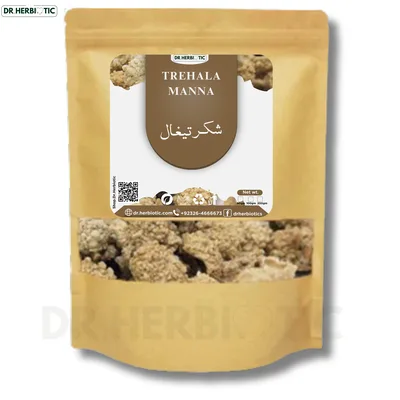
Herbs
Trehala Manna
Rs. 795Rs. 950
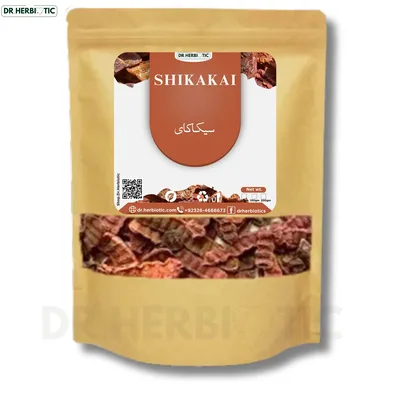
Herbs
Shikakai - Sikakai
Rs. 220Rs. 350
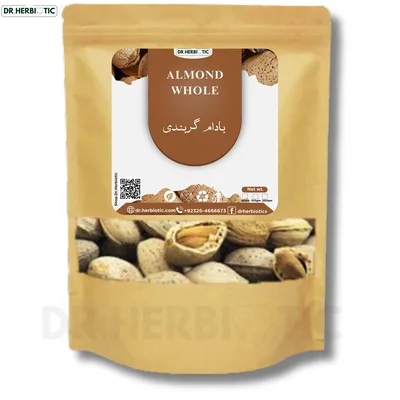
Herbs
Almonds Whole | Badam Gurbandi | Gurbandi Almonds | Whole Badam
Rs. 1,050Rs. 1,150