Loading...
-22%
Herbs
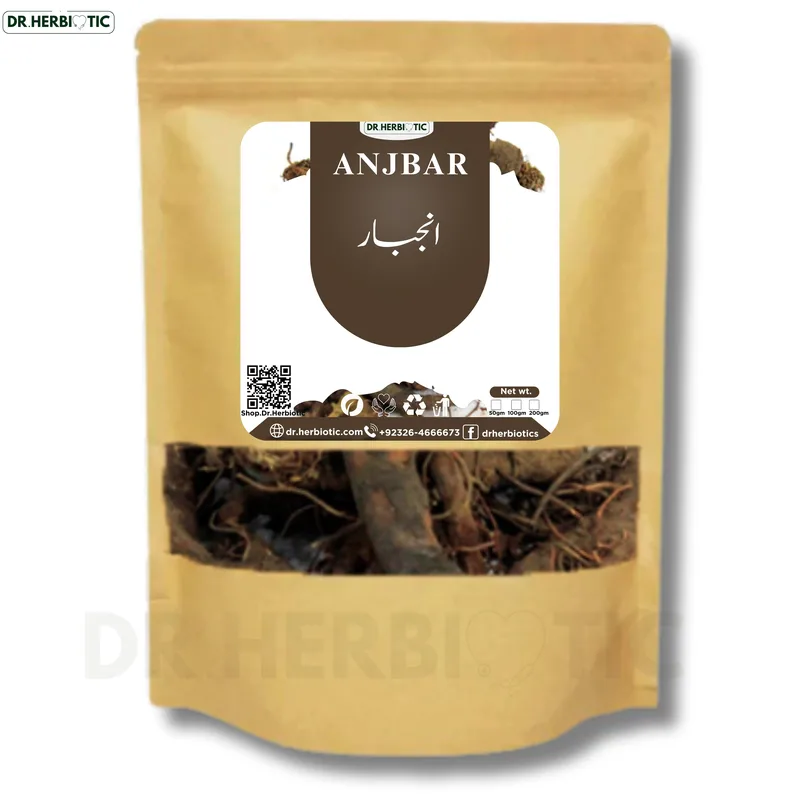
Anjbar
Rs. 350Rs. 450-22%
In StockSKU: ANJ-019
1
Product Details
- English Names
- Anjbar Root, Anjubar, Dry Polygonum Viviparum
- Botanical Name
- Inula racemosa
Anjbar, the alpine bistort, is the dried root of Inula racemosa, and it is one of those herbs that has been carried a very long way from the mountains it grows in. The plant is a hardy perennial of the high meadows, where it pushes up a slender spike of small purple brown flowers, and the root is dug in the autumn and dried slowly, because the resin in it is the whole point.
The root arrives as dark, knobbly, fibrous pieces, and it is heavy for its size and it has a strong, warm, slightly camphor like aroma that is quite unlike the cleaner roots of the trade. When it is broken the inside shows a pale yellowish core threaded with darker resin, and the old buyers judged the lot by the weight and by how much of that resin was visible. Good anjbar is the dark, resinous kind, and the pale, dry sticks are the ones that have been sitting too long in a shop.
In the traditional practice it appears in the classical combinations, where it is one of the warming and the aromatic roots, and it is one of the materials that the old households kept in a labelled jar and used by the spoonful. The same root came west along the old trade routes, where it is also called the polygonum viviparum, and the two names for one plant are a good reminder of how the herbal trade has always moved with the goods.
In the kitchen it is a specialist and a powerful ingredient, and the old cooks knew that a little goes a very long way. A small piece is cracked and simmered to draw out the resin, and the strained liquid is used where a deep, warm, almost meaty depth is wanted, and it was one of the aromatics in the old broths and the old pilafs. It is also one of the roots that the old households put into the winter mixtures, because the warmth of it suited the cold months.
There is a good deal of interest in the plant itself, because it is one of the alpine species that survives where very little else does, and the villagers who gathered it in the mountains had a hard and well practised knowledge of the meadows and of the timing, and the old picking rules were strict for a reason. The plant is slow to recover, and the collectors who took too much from one patch knew they might not see it there again.
Dr Herbiotic sells the dried root, cut and cleaned, in three sizes. Keep it sealed in a dry jar in a cool cupboard, away from the light and away from damp, because the resin is what fades first. Break only what a preparation needs, since the cut face of a dried root dulls as soon as air reaches it.
Reviews
No reviews yet — be the first!
You May Also Like
Herbs
Red arica | Red Betal Nuts (Chikni Supari) | سپاری تیلیا | Harmal | Hermal
Rs. 390Rs. 599
Herbs
Cumin White
Rs. 270Rs. 350
Herbs
Ephedraceae - Kalpa Joint Pine
Rs. 320Rs. 400
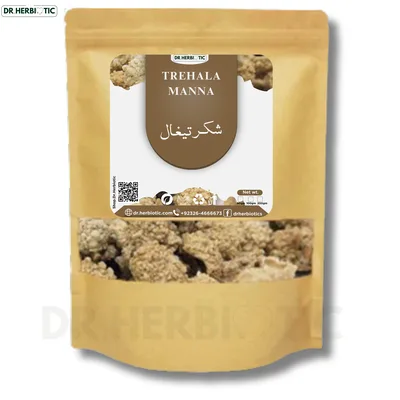
Herbs
Trehala Manna
Rs. 795Rs. 950
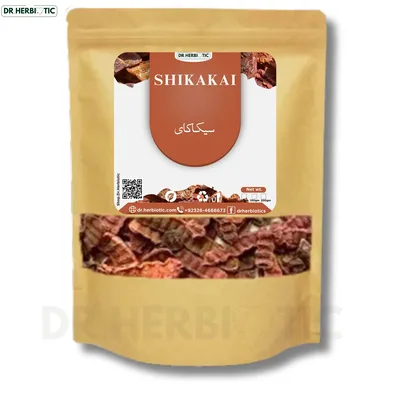
Herbs
Shikakai - Sikakai
Rs. 220Rs. 350
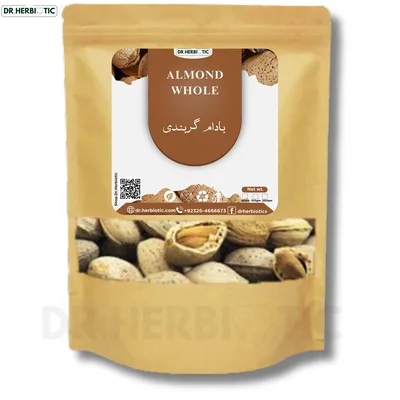
Herbs
Almonds Whole | Badam Gurbandi | Gurbandi Almonds | Whole Badam
Rs. 1,050Rs. 1,150