Loading...
-27%
Herbs
Amaltas
Rs. 220Rs. 300-27%
In StockSKU: AMA-074
1
Product Details
- Local Names
- (املتاس)
- English Names
- Cassia Fistula / Amltas Detoxifies Blood and Liver
- Botanical Name
- Cassia fistula
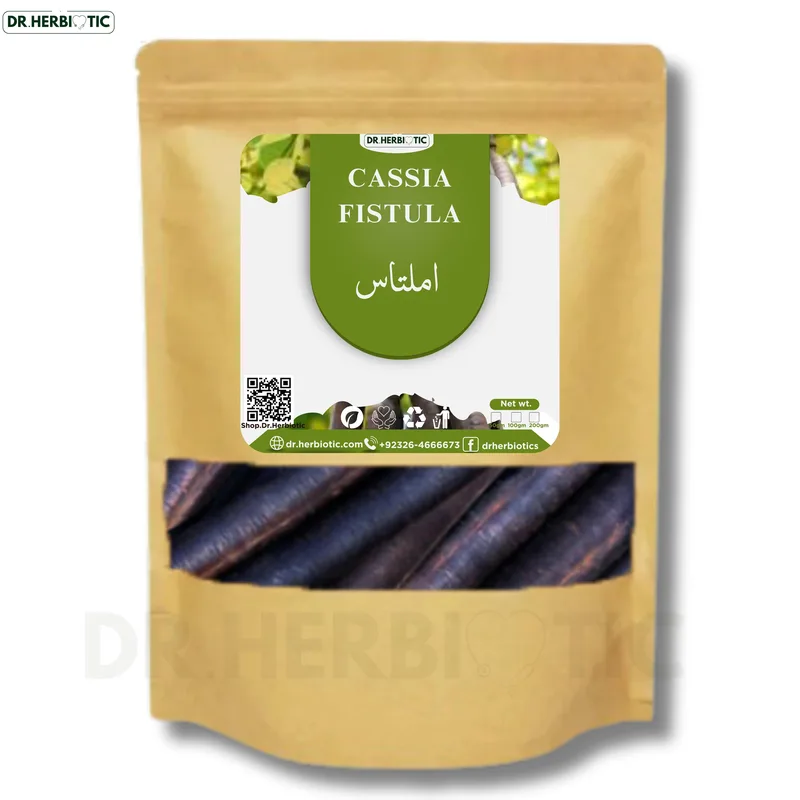
Amaltas, the golden shower pod of India, is a striking plant in every way. Cassia fistula grows into a medium sized tree with a wide canopy of glossy green leaves, and in the hot months it hangs under its branches in long, heavy clusters of brilliant yellow flowers that fall in a slow yellow curtain. The fruit that follows is a long, dark brown pod, two or three times the length of your hand, filled with a bright yellow pulp that surrounds the seeds.
That yellow pulp is what the herbal trade uses, and it is worth understanding what amaltas actually is in the packet, because the material has two quite different forms. The dried pulp comes out of the pod in hard, dark discs, each about the size of a coin, and when you break one it is fibrous and yellow inside. This is the part used in the classical powders, and it is what gives amaltas its sweet, slightly honeyed taste. It is also the part that is soaked, boiled and strained to make the dark, rich syrup that is served with ice cream and rice in the classic dessert.
In traditional practice amaltas pulp is one of the gentle, cooling roots and fruits of the classical texts, valued for its mildness and for how well it sits with the sharper herbs. It appears in the traditional powders and in the syrups, and it is the sort of ingredient that a household will keep for years and pull out for a festive dessert or a summer drink.
Dr Herbiotic sells the dried pulp discs, sorted so that the woody pod material and the loose seeds stay out of the packet, and packed in three sizes for the household, the sweet shop and the syrup kitchen. The colour should be a strong golden yellow on the inside of each disc, and a dull brown disc has usually been kept too long or too warm.
Keep the discs sealed in a cool, dry cupboard, and they will hold their colour and their sweetness for a very long time. Break them only when you are ready to use them, and remember that the hardest disc in the packet is usually the most concentrated.
The golden shower tree is one of the most generous of the Indian landscape, and it is worth knowing that the tree is not harmed by the collection. The pods are gathered when they fall, the tree is never cut for the trade, and a single tree in flower is one of the sights that make an Indian summer what it is. The pulp inside the pod is not only medicine and dessert, it is also the source of the bright yellow flower that the tree is known for, and the connection between the two is a reminder that in the herbal tradition nothing is treated as waste. Dr Herbiotic buys the dried pulp discs in small lots and sorts them for colour and firmness, since the golden yellow of the broken disc is the clearest sign of a well kept pulp. Break the disc with a heavy knife rather than your fingers, because the dried pulp is very hard and will bruise your hand if you force it. Once broken, simmer it, strain it, and the syrup that comes out is worth the effort.
Reviews
No reviews yet — be the first!
You May Also Like
Herbs
Red arica | Red Betal Nuts (Chikni Supari) | سپاری تیلیا | Harmal | Hermal
Rs. 390Rs. 599
Herbs
Cumin White
Rs. 270Rs. 350
Herbs
Ephedraceae - Kalpa Joint Pine
Rs. 320Rs. 400
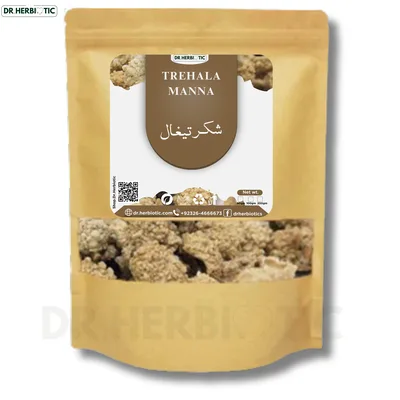
Herbs
Trehala Manna
Rs. 795Rs. 950
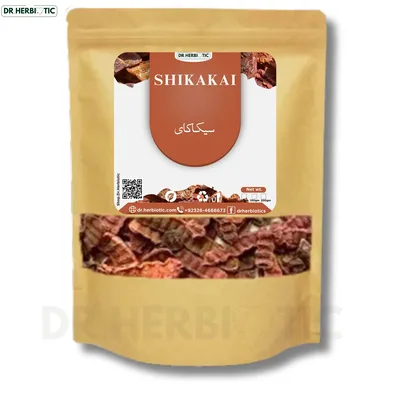
Herbs
Shikakai - Sikakai
Rs. 220Rs. 350
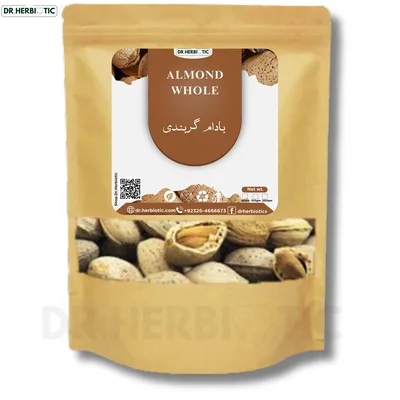
Herbs
Almonds Whole | Badam Gurbandi | Gurbandi Almonds | Whole Badam
Rs. 1,050Rs. 1,150