Loading...
-29%
Herbs
Alpine Bistort
Rs. 250Rs. 350-29%
In StockSKU: ALP-139
1
Product Details
- Local Names
- انجبار
- English Names
- Anjbar, Anjbar Herb, Anjbar Root, انجبار
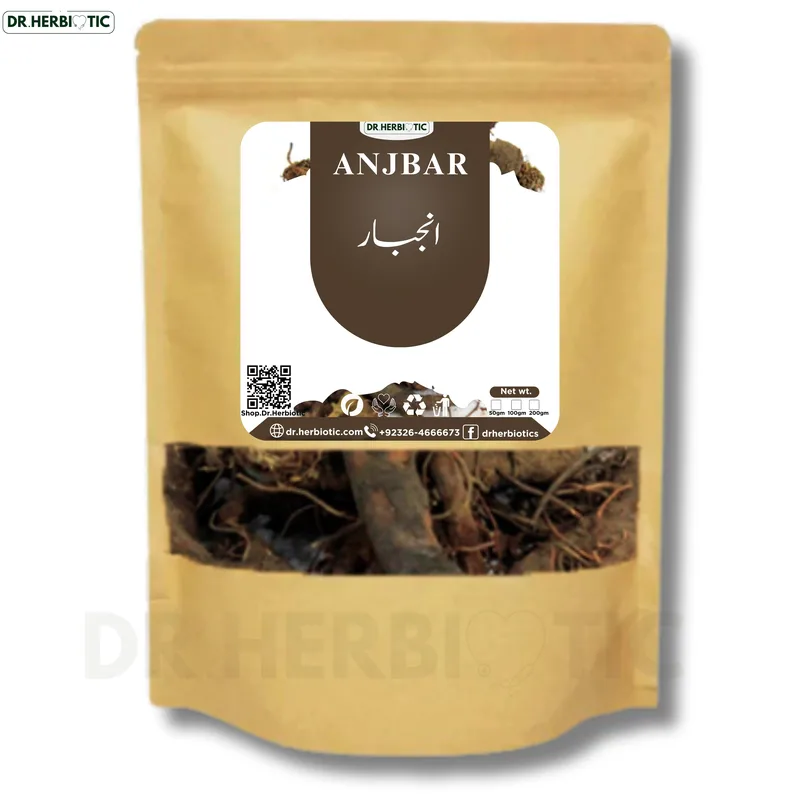
Anjbar, called alpine bistort in the western herb trade, is the dried root of Bistorta vivipara, a small mountain plant with a remarkable survival record. It grows in the alpine meadows of the Himalaya, of the Hindu Kush and of the ranges across Iran and Turkey, and it is the kind of plant that puts out a slender spike of tiny pink flowers and then produces a single seed that drops to the ground while the plant is still flowering, which is where the botanical name vivipara, born alive, comes from.
The root is the part that matters, and it has a long and respected place in the classical Unani and Ayurvedic texts. When it is dug it has a dark brown skin and a pale interior, and when it is cut across the surface shows a number of concentric rings, a detail that the old herb buyers used to judge quality. The taste is astringent and slightly sweet, with the particular dry, chalky quality that the mountain roots share.
In practice anjbar has always been used in combination rather than alone. It appears in the classical root powders alongside other astringent and sweet roots, and in the household remedy tradition it is one of the ingredients of the winter mixtures that are prepared with honey. It is also one of the roots that appears in the traditional pickles and chutneys, where its astringency balances the sharpness of the vinegar.
The root sold here is the dried, cut and cleaned root of Bistorta vivipara, gathered in the mountains where it grows wild. Dr Herbiotic buys in small lots from the collectors who know the alpine meadows, and each lot is sorted so that the stem and the soil are out of the packet.
Keep it sealed in a cool dry cupboard, away from the light, and it will hold its colour and its astringency for a long time. Break what you need from the root rather than grinding the whole packet, because the cut surface of a dried root dulls as soon as air gets to it.
Mountain roots carry a reputation that has been built up over centuries of use, and it is worth understanding why. A plant that grows in thin alpine soil has to work hard for every gram of material it puts into its root, and the root therefore develops dense, concentrated and aromatic. That is the character you can taste in a good anjbar, and it is why the herb buyers of the old shops would examine the cut face closely before agreeing on a price. Dr Herbiotic buys in small lots from collectors who work the alpine meadows, and the roots are washed, cut and dried in small batches so that the colour does not fade. There is no harvesting pressure on the wild plant the way there is on some other herbs, which is part of why this material stays available for the people who have always used it. Keep the jar closed, keep it dry, and break the root only at the moment of use.
Reviews
No reviews yet — be the first!
You May Also Like
Herbs
Red arica | Red Betal Nuts (Chikni Supari) | سپاری تیلیا | Harmal | Hermal
Rs. 390Rs. 599
Herbs
Cumin White
Rs. 270Rs. 350
Herbs
Ephedraceae - Kalpa Joint Pine
Rs. 320Rs. 400
Herbs
Trehala Manna
Rs. 795Rs. 950
Herbs
Shikakai - Sikakai
Rs. 220Rs. 350
Herbs
Almonds Whole | Badam Gurbandi | Gurbandi Almonds | Whole Badam
Rs. 1,050Rs. 1,150